Your TV Knows What You Bought Last Summer: The Ad-Tier Bargain Gets Creepier

Photo: Brendan Crain, Public domain, via Wikimedia Commons
I have a confession: I pay for the ad-supported tier on two streaming services. Not because I love ads, but because I love saving $7 a month more. For a while, it felt like a fair trade. I watch a few commercials, I save a few bucks, everyone wins.
In 2026, that trade is getting harder to defend.
The Cheaper Tier Has a Price
Ad-supported streaming used to feel like regular TV with a better interface. You watched a show, you saw the same three car commercials, you moved on. Now the ads are personal. Not in a vague, demographic-bucket way. In a we-know-you-just-bought-laundry-detergent way.
Platforms have spent years building profiles on us. They know what we watch, when we watch it, how long we linger on a thumbnail, and whether we finish a season or bail after episode two. They know which devices are in the house. They know if we're watching on a TV in the living room or a phone in bed. And increasingly, they're using that data to sell targeted ads in real time.
How the Targeting Actually Works
The mechanics aren't secret, exactly. They're just boring enough that most of us ignore them. Streaming services collect viewing data. They combine it with account information and sometimes third-party data. They group viewers into segments. Advertisers bid on those segments. The winning ad shows up in your break.
What's changed is the granularity. In the old days, an advertiser might target adults 18 to 49. Today, they can target people who watched three episodes of a cooking show, searched for a new car, and live in a household with a dog. That's not hypothetical. That's the basic pitch.
The creep factor isn't just about what they know. It's about how quickly they act on it. Watch a commercial for a mattress, then pick up your phone, and you might see mattress ads for the next week. The TV and the phone are supposed to be separate screens. They don't feel separate anymore.
The Second-Screen Problem
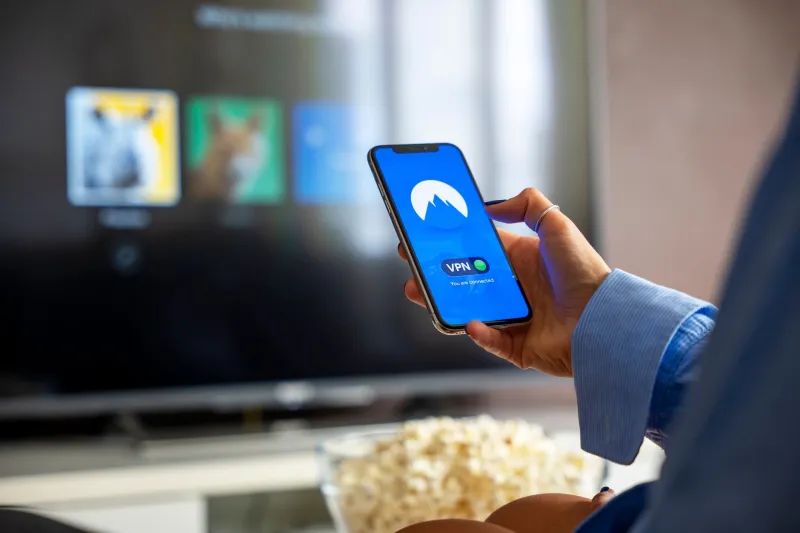
Second-screen behavior is the wild card. Most of us watch TV with a phone in our hand. We scroll during commercial breaks. We look up actors. We text friends. Platforms know this, and they're building ad products around it.
That means your TV isn't just listening to what you watch. It's part of a larger system that watches what you do while you watch. Clickable ads, QR codes, shoppable pauses, and synchronized campaigns are all designed to close the gap between seeing and buying. The promise is convenience. The reality is surveillance with a smile.
Where the Creep Factor Kicks In
I don't think most people care about targeted ads in the abstract. We've accepted them on social media. We've accepted them in search. We've accepted them in our email inboxes. The difference with TV is intimacy.
Television is the screen we invite into the living room. It's where we relax, where we watch with family, where we leave the room and come back. When the ads start reflecting private habits, it feels less like marketing and more like being observed.
There's also the question of consent. Most of us clicked agree to a terms-of-service document we didn't read. That's not informed consent. That's a shrug with a legal stamp. If platforms want to use household data to personalize ads, they should make the trade clear: here's what we collect, here's how we use it, and here's how you turn it off.
The Bargain We're All Making
The uncomfortable truth is that cheaper streaming has to be paid for somehow. Ads are the model. Subscriptions alone aren't enough to support the content budgets we've come to expect. If we want fewer ads, we have to pay more. If we want to pay less, we have to accept more targeting.
That's the bargain. The question is whether the bargain is fair. Right now, it feels lopsided. Platforms get detailed profiles. Advertisers get precision. Viewers get a slightly lower bill and a vague sense that their TV is talking about them behind their back.
I'm not cancelling my ad tier yet. I like saving money, and I like the shows. But I'm watching the watchmen a little more closely. If the price of a cheaper subscription is a TV that knows me a little too well, I want to know exactly what it knows — and who it's telling.