Followers Don't Equal Talent: Hollywood's Influencer Casting Problem Isn't Going Away
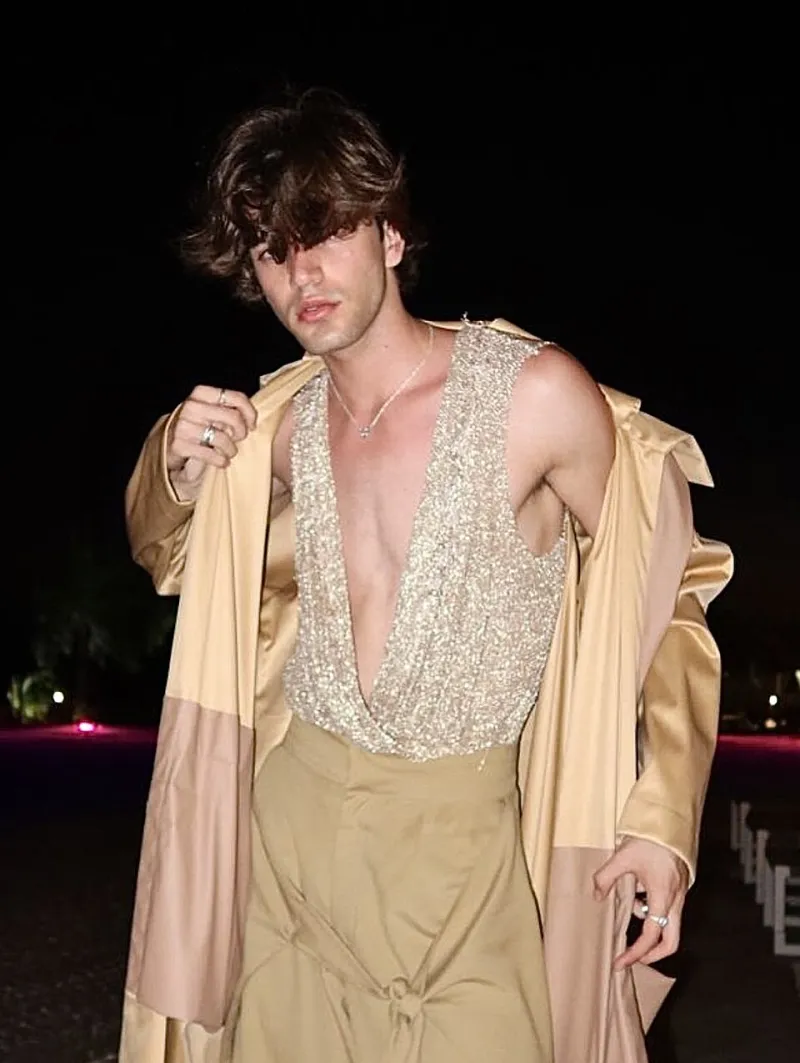
Photo: Manukrawl, CC0, via Wikimedia Commons
Somewhere in a writers' room right now, someone is pitching a character who 'feels authentic to Gen Z audiences.' And somewhere in a network executive's office, someone is pulling up a spreadsheet of Instagram follower counts and calling it a casting strategy.
This is how we ended up here.
The influencer-to-actor pipeline has been a thing for long enough now that we can actually evaluate it — not just the hype cycle around a new casting announcement, but the actual outcomes. The performances. The reviews. The memes. And the picture that emerges is messier than either the optimists or the critics want to admit.
How We Got Here: The Numbers Game
Let's be clear about what's driving this. Networks and streaming platforms are chasing younger viewers who have largely migrated their attention to short-form content — TikTok, YouTube, Instagram Reels. Traditional marketing doesn't reach them the way it used to. A 30-second TV spot during a primetime block doesn't move the needle the way a creator with 4 million followers casually mentioning a show in a video does.
So the logic — and it's not entirely wrong — is that casting someone who already has that audience is essentially buying distribution. You're not just hiring an actor; you're hiring a built-in promotional channel. The influencer posts about the show, their followers tune in out of curiosity, and suddenly you've got viewership numbers from a demographic that otherwise wouldn't have clicked.
On paper, it's a smart business move. In practice, it's a gamble that pays off less often than the spreadsheet suggests.
The Casting Director's Dilemma
Talk to anyone working in casting — not on the record, because this is a small industry and nobody wants to burn bridges — and you'll hear a version of the same story. There's pressure coming from above to 'consider' social media personalities for roles. Sometimes 'consider' is a polite word for 'cast.'
The challenge is that follower counts and acting ability are measuring completely different things. Being compelling on camera in a 60-second clip you control, where you can do unlimited takes and edit out anything that doesn't work, is genuinely a skill. But it's not the same skill as inhabiting a scripted character, taking direction, hitting emotional beats on cue, and doing it again in take seven when the lighting changes.
Casting directors know this. They've known it for years. The tension is real: their professional reputation is built on finding the right person for the role, but the business pressure is to find the person with the right metrics. Those two things overlap less often than the industry wishes they did.
The Case Studies: Who Stuck and Who Became a Meme
The track record is genuinely mixed, which is part of what makes this conversation complicated.
There are influencer-to-actor transitions that worked. A handful of creators who built audiences on YouTube or TikTok have translated that into credible scripted performances — usually because they had some underlying performance instinct, took the craft seriously, and got cast in roles that actually suited them rather than roles designed to exploit their existing persona. These cases exist. They're just not the majority.
Then there are the disasters. The casting choices that generated more discourse about the performance than about the show itself. Clips that got repurposed as reaction content, not because they were emotionally resonant, but because the line delivery was so flat that it became its own kind of entertainment. A few of these have become genuine cultural shorthand — the way people say 'that casting' and everyone in the room knows exactly what they mean.
What separates the successes from the memes tends to come down to a few things: whether the production invested in actual acting support for the new talent, whether the role was written to play to genuine strengths, and — honestly — whether the influencer themselves understood that they were entering a different medium with different demands.
The Audience's Side of This
Viewers are not as naive about this as networks seem to think. Audiences — especially younger ones — are extremely good at detecting inauthenticity. They grew up watching people perform online, and they've developed sharp instincts for when something feels real versus when someone is just going through motions.
When an influencer gets cast in a scripted role and the performance doesn't land, audiences don't give it a pass because they like the person's content. If anything, the familiarity makes it worse — because they know what the person is actually like, and the disconnect between that and the performance is jarring.
The social media backlash to bad influencer casting has become its own content ecosystem. Critical TikToks about a performance can rack up millions of views. Twitter threads dissecting specific scenes get shared broadly. In some cases, the discourse about the casting overshadows everything else about the production — which is exactly the opposite of what the network was hoping for when they made the hire.
What Actually Works: The Narrower Path
The influencer castings that tend to land have something in common: intentionality. The role was written or adapted with the specific person in mind, in a way that lets them do what they're actually good at. Or the production gave them genuine preparation time and coaching. Or — and this is the most underrated factor — they cast someone who had already been quietly developing their craft, not just their follower count.
There's also a format question. Influencer talent tends to translate better to certain kinds of projects: lighter comedies, docu-style formats, reality-adjacent content where the line between persona and character is deliberately blurry. Dropping someone with 5 million Instagram followers into a prestige drama with heavy emotional scenes is a different ask entirely, and the results usually reflect that.
The Honest Prognosis
This isn't going to stop. The business incentives are too strong, and there will always be cases where it works well enough to justify the next attempt. But the industry is slowly — slowly — learning that followers are a starting point, not a qualification.
The smarter approach, which some productions are already moving toward, is treating social media reach as one factor in a casting decision rather than the deciding one. Find people who have both the audience and the instincts. Invest in preparation for people who have the audience but need the craft development. And stop expecting that what works on a phone screen at 1x speed will automatically work on a television set with a script.
Until that recalibration fully takes hold, the memes will keep coming. And honestly? The internet seems fine with that.