Breaking Up Is Hard to Watch: TV's New Obsession With Destroying the Relationships We Actually Tune In For

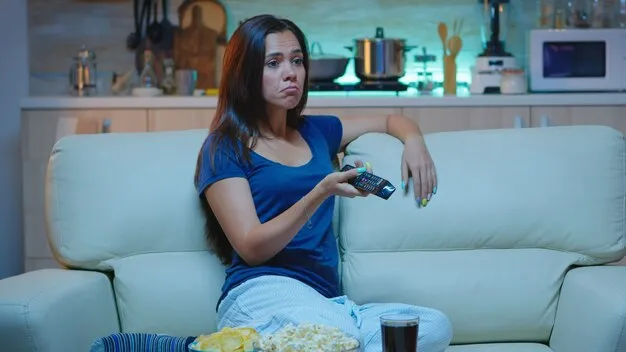
Photo: two friends sitting apart on couch looking upset dramatic TV scene, via as1.ftcdn.net
There's a specific kind of grief that hits differently than a character death. It's the moment you realize two people you've spent three, four, maybe seven seasons rooting for — as a couple, as best friends, as partners in whatever chaos the writers dreamed up — are never going to be okay again. No dramatic reunion. No tearful reconciliation in a season finale. Just... over.
Television is doing this on purpose now. And honestly? Audiences are losing their minds about it.
The Setup: What Made These Relationships So Sticky
For decades, TV shows understood a simple truth: give people a relationship to invest in, and they'll follow it anywhere. It didn't have to be romantic. Think of the buddy dynamics that carried procedurals for ten-plus seasons, or the female friendships that turned mid-budget cable dramas into cultural touchstones. Shows like Broad City, Insecure, and even earlier network staples built entire identities around the chemistry between two leads. Viewers didn't just watch the plot — they watched them.
That emotional investment is the engine. It's why people still argue about whether certain fictional couples should have ended up together. It's why fan communities on Reddit can sustain years of activity around a single 'will they/won't they' arc. The relationship is the show, even when the show pretends it's about something else.
So when writers start dismantling that engine mid-run, it sends shockwaves.
The New Playbook: Blow It Up and See What Happens
Something shifted in the last few years of prestige television. Writers' rooms — particularly on streaming platforms with shorter episode orders and more creative latitude — started treating long-standing relationships less like sacred cows and more like narrative obstacles. The logic, when showrunners explain it in interviews, usually sounds something like this: 'We didn't want to be predictable. We wanted to honor where these characters actually were.'
That's a reasonable artistic position. The problem is that 'honoring where the characters are' increasingly means watching them hurt each other in ways that feel permanent.
Recent seasons of several high-profile dramas have leaned hard into this. Best-friend dynamics that anchored entire shows have fractured over betrayal arcs that stretch across multiple episodes with no resolution in sight. Romantic pairings that audiences spent years championing have been quietly separated, with the breakup treated as character growth rather than tragedy. In some cases, one half of a beloved duo exits the show entirely — leaving the remaining character (and the audience) to figure out what the show even is now.
Social media doesn't take this quietly.
Twitter (Sorry, X) Is Not Okay With This
If you've spent any time on entertainment-adjacent corners of social media over the past couple of years, you've seen the aftermath. The night a major TV relationship implodes, the discourse is immediate and it is loud. Clips get clipped. Reaction videos go up within hours. Fan accounts that spent years making gifsets of two characters sharing a look now post the same gifsets with funeral music underneath.
What's interesting — and what separates this from the usual 'they ruined the show' complaints — is the specificity of the frustration. Viewers aren't just upset that something sad happened. They're upset because they feel like the writers made a deliberate choice to dismantle something that was working. There's a sense of betrayal that mirrors, weirdly, the actual relationship breakup on screen.
Some of that backlash has had real consequences. Showrunners have addressed it in interviews. Writers have gone on podcasts to explain their reasoning. In a few notable cases, fan campaigns have actually influenced whether certain storylines got revisited — though whether that's a good thing for the creative integrity of a show is a whole separate debate.
The Writers' Argument: Stagnation Is Worse Than Sadness
To be fair to the people making these calls, keeping two beloved characters in a state of happy stability is genuinely hard to write. Conflict drives narrative. If the best-friend duo is always fine, if the romantic leads are always solid, there's no story. TV writers have been wrestling with this problem forever — it's why so many long-running shows eventually break up the central couple just to generate new plot.
The difference now might be intent. In an earlier era of television, a relationship breakup was often a reset button — a way to generate drama before an inevitable reunion. What feels different about the current wave is that some of these writers genuinely don't seem interested in the reunion. The fracture is the point. The grief is the point. The characters are supposed to grow away from each other, not back together.
That's a legitimate storytelling philosophy. It's also one that requires a lot of trust from an audience that came to the show for a very specific emotional experience.
Does It Actually Work?
Here's the honest answer: sometimes, yes. When a relationship dissolution is handled with enough care and narrative buildup, it can be genuinely devastating in the best way — the kind of television moment people reference for years. The breakup of a well-written friendship or partnership, done right, can say something real about how people drift, how relationships have expiration dates that don't announce themselves, how growing up means growing apart.
But when it's done poorly — when it feels rushed, or like a contract dispute got written into the plot, or like the writers simply got bored — it lands as a betrayal. And audiences, who are increasingly savvy about the business side of television, can usually tell the difference.
The shows that have navigated this best tend to have one thing in common: they gave the ending of the relationship the same weight they gave its beginning. They didn't treat the dissolution as a plot twist. They treated it as a loss — and let the audience feel it properly.
What This Means Going Forward
The trend isn't slowing down. If anything, as streaming platforms continue to greenlight shorter, more self-contained seasons, writers have less time to maintain status-quo relationships and more incentive to make bold moves quickly. That probably means more beloved duos on the chopping block.
For audiences, the calculus is shifting. You can't necessarily count on the relationship that got you invested in a show to still be intact by the time the finale rolls around. Whether that makes television more interesting or just more exhausting probably depends on how the writers handle the wreckage.
Either way, the stress-posting at 2 a.m. isn't going anywhere.