Your Face, Their Movie: How Hollywood Is Fighting to Keep Deepfakes From Stealing the Show
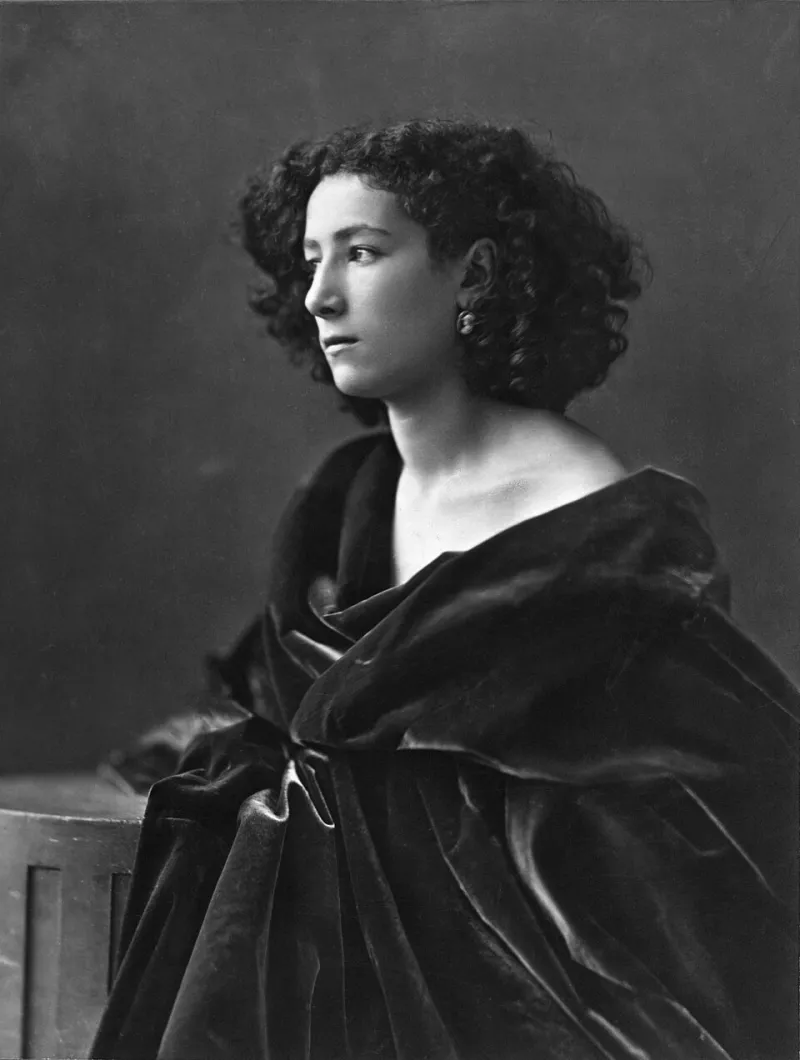
Photo: Nadar, Public domain, via Wikimedia Commons
Imagine scrolling through your social feed and stumbling across a video of your favorite actor endorsing a product, saying something controversial, or starring in a scene they clearly never filmed. You watch it twice. It looks completely real. And then you find out it isn't — because it never was.
That's not a hypothetical anymore. That's Tuesday in 2024.
Deepfake technology — the AI-powered process of grafting one person's face and voice onto another person's body — has quietly crossed a threshold that a lot of people weren't prepared for. It's no longer the clunky, obviously-fake stuff that was easy to laugh off a few years ago. Today's deepfakes are polished, convincing, and spreading across platforms faster than moderation teams can catch them. And the people most directly in the crosshairs? The actors, musicians, and public figures whose faces happen to be the most recognizable on the planet.
The Problem Isn't Just the Fakes — It's What They're Being Used For
Here's where things get genuinely complicated. Deepfakes aren't one single problem. They're a whole ecosystem of problems bundled into one terrifying technology.
On one end, you've got commercial misuse — fake endorsement videos where a celebrity appears to be hawking supplements, crypto schemes, or miracle skincare products they've never touched. Tom Hanks had to publicly warn fans about exactly this kind of scam after a deepfake of his likeness started circulating online. Gayle King did the same. These aren't isolated incidents anymore; they're a pattern.
On the other end, there's the entertainment industry's more specific nightmare: unauthorized productions. With AI tools becoming more accessible and more powerful, the fear is that a determined bad actor (no pun intended) could generate enough convincing footage of a real star to build an entire short film, a scene, or even a trailer — without ever picking up a phone to call their agent.
And somewhere in the middle sits the deeply uncomfortable category of non-consensual intimate imagery, which has affected female celebrities at a wildly disproportionate rate and which advocates have been sounding alarms about for years.
Lawyers Are Busy. Congress Is Paying Attention. Sort Of.
The legal landscape around deepfakes is, to put it charitably, a work in progress. The US doesn't have a single comprehensive federal law specifically targeting AI-generated likeness theft — though that's starting to change.
The NO FAKES Act, which has been floated in Congress, would create a federal right for individuals to control digital replicas of their voice and likeness. It's got support from both sides of the aisle, which is notable given how little agreement there is on anything tech-related in Washington right now. SAG-AFTRA has been vocal in pushing for these kinds of protections, and the 2023 strike — where AI use was one of the central sticking points — made clear that this isn't a niche concern anymore. It's an industry-wide crisis.
At the state level, Tennessee passed the ELVIS Act earlier this year (yes, named after that Elvis), which specifically protects musicians' voices from AI replication. California has its own set of evolving statutes. But patchwork state laws only go so far when the internet doesn't have state lines.
In the meantime, individual lawsuits are piling up. Some are targeting the platforms hosting the content. Others go after the creators of the tools themselves. The legal arguments are creative — right of publicity claims, defamation, false endorsement under the Lanham Act — but courts are still figuring out how existing law applies to technology that didn't exist when most of those laws were written.
The Tech Arms Race Nobody Signed Up For
While the lawyers argue and the legislators deliberate, the technology keeps moving. And that's the part that should keep everyone up at night.
Detection tools do exist. Companies like Reality Defender and Hive Moderation have built AI systems specifically designed to identify deepfake content. Some major platforms have started integrating detection software into their moderation workflows. The problem is that every time detection gets better, generation gets better too. It's a feedback loop with no obvious finish line.
Watermarking is another approach gaining traction. The idea is to embed invisible markers into AI-generated content at the point of creation, so that even if a deepfake looks real, its origin can theoretically be traced. The Coalition for Content Provenance and Authenticity — a group that includes Adobe, Microsoft, and a handful of major news organizations — has been developing standards for exactly this. But adoption is voluntary, which means anyone actually trying to deceive people has little incentive to play along.
Some actors have started taking more direct action. A growing number of talent contracts now include explicit language about what studios can and cannot do with AI-generated versions of a performer's likeness — including restrictions on using footage from old projects to train AI models. It's a start, but it only protects people who have the leverage to negotiate those terms in the first place.
What This Actually Means for the People Watching
Here's the thing that often gets lost in the legal and technical weeds: this isn't just a celebrity problem. It affects audiences too.
When you can't trust that the person you're watching actually said or did what you're seeing, it fundamentally changes your relationship with media. It erodes trust not just in entertainment, but in information broadly. The same technology being used to make fake celebrity ads is being used to generate political misinformation. The line between "harmless" deepfake content and genuinely dangerous content is a lot blurrier than most people realize.
For regular viewers, the practical upshot is developing a healthy skepticism about anything that seems even slightly off. Does that celebrity's lip movement look a little delayed? Does their voice sound slightly flattened? Are they saying something that feels weirdly out of character? These are the kinds of questions audiences are increasingly going to need to ask.
The Bigger Picture
Hollywood has survived a lot of technological disruptions — sound, color, streaming, the DVD era, the death of the DVD era. It tends to adapt. But deepfakes are different in a specific way: they don't just change how content is distributed or consumed. They challenge the very idea that a performance belongs to the person giving it.
Actors have always sold their time, their talent, and their likeness. The understanding has always been that those things are theirs to sell — or not sell. Deepfake technology, at its most unchecked, says that's no longer a given. And that's the fight that's really happening here, underneath all the lawsuits and legislation and detection software.
It's a fight about ownership. About identity. About whether the most recognizable thing about you — your face — still belongs to you in any meaningful sense.
So far, the answer isn't settled. But Hollywood, for once, isn't waiting around to find out.